
The Allure of Casino Games
Casino games captivate players with their vibrant environments, tantalizing sounds, and the promise of potential wins. The psychology behind this allure is deeply rooted in the human brain’s reward system. When players engage with these games, particularly through slot machines or card games, they experience a dopamine rush, a chemical that reinforces pleasurable activities. This creates a cycle of reward-seeking behavior, compelling players to continue engaging, fueled by the hope of a significant payout. As players explore various options, they might also consider non gamstop online casinos uk as a thrilling alternative.
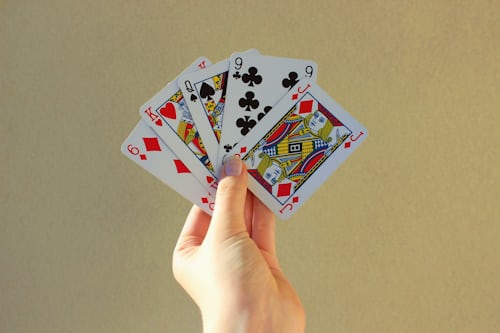
Add to this the element of chance and suspense in casino games, which heightens the excitement. Players are often drawn to the unpredictability of outcomes, which keeps them on the edge of their seats. This thrill is an essential part of the experience, as the combination of risk and potential reward taps into fundamental psychological drives, making it hard for individuals to resist participating in these games.
The Role of Cognitive Biases
Cognitive biases play a significant role in shaping player behavior in casinos. For instance, the illusion of control is a common bias where players believe they can influence outcomes in games of chance. This misconception can lead to increased engagement, as players convince themselves that their skills or strategies can impact the game’s results. Such biases can perpetuate gambling behaviors, leading to more time and money spent in the casino.
Another prevalent cognitive bias is the gambler’s fallacy, where individuals believe that past outcomes will influence future results in random events. For example, a player might think that since a particular number hasn’t hit in a while, it’s more likely to come up soon. This flawed reasoning can result in repeated plays, escalating bets, and ultimately, higher losses, echoing the complexity of decision-making in gambling contexts.
The Social Dynamics of Gambling
Gambling is often portrayed as a solitary activity, but its social dynamics can significantly affect player behavior. Many people are drawn to casinos not only for the games but also for the social interactions that accompany them. The communal atmosphere allows players to share experiences, enhancing their enjoyment. This social aspect can lead to increased spending, as the desire to fit in or impress others can motivate players to take risks they might not consider alone.
Additionally, the presence of friends or fellow players can create a sense of camaraderie that blurs the lines of responsible gambling. This social influence can amplify both the thrill and the risks, as individuals may feel emboldened to gamble more when surrounded by peers. Understanding these social factors is crucial for developing strategies to promote safer gambling practices.
The Impact of Marketing and Environment
The casino environment is meticulously designed to optimize player engagement and spending. From the layout of gaming machines to the use of bright colors and enticing sounds, every aspect serves to create an immersive experience. This strategic planning is informed by psychological principles, aiming to capture and maintain player attention while encouraging them to spend more time and money.
Moreover, marketing tactics employed by casinos often exploit psychological triggers. Promotional materials may highlight large jackpots or showcase winners to lure potential players. By framing gambling as an enjoyable and lucrative pastime, casinos capitalize on human emotions, particularly those related to excitement and fear of missing out. This sophisticated blend of psychology and marketing effectively influences player behavior and increases participation rates.

Support Resources for Responsible Gambling
While casino gaming can be an entertaining pastime, it is essential to recognize the potential for harmful behaviors. Many individuals may develop problematic gambling habits, leading to negative consequences in their personal and financial lives. It is crucial for players to be aware of the signs of gambling addiction and seek help when necessary.
There are numerous resources available for those struggling with gambling issues. Support groups, counseling services, and helplines offer guidance and assistance for individuals and their families. Understanding the psychological aspects of gambling can empower players to make informed decisions, ensuring a healthier relationship with gaming. Accessing these resources is vital for fostering a community that promotes responsible gambling practices.