
Understanding the Inherent Probabilities in Gambling
Gambling, at its core, is a game of chance governed by mathematical probabilities, and understanding these certainties is the first step towards a more responsible approach to gambling. Every bet placed, whether in a physical casino or on an online platform, is subject to these underlying principles. This involves recognizing that outcomes are not predetermined by luck alone, but by statistical models that favor the house in the long run. For players aiming for a safer game, grasping concepts like house edge and return to player (RTP) is paramount, and many find resources like pocketwin can offer insights into these probabilities.

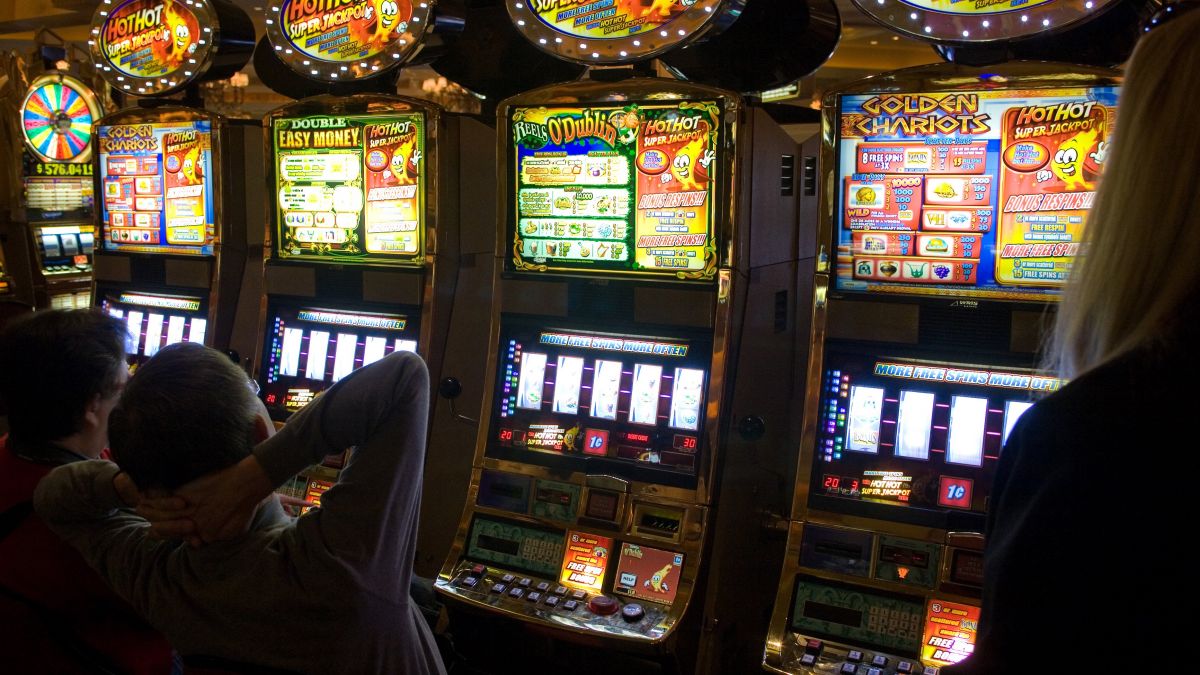
The house edge represents the average profit a casino expects to make from each game. For instance, in roulette, the presence of the zero (and double zero in American roulette) ensures a mathematical advantage for the casino. Similarly, slot machines are programmed with specific RTP percentages, indicating the theoretical amount that will be returned to players over an extended period. Awareness of these figures allows players to make informed choices about which games to play, opting for those with a lower house edge or higher RTP to extend their playing sessions and potentially reduce losses.
The Role of Strategy vs. Pure Chance in Gambling
While many casino games are rooted in pure chance, certain aspects allow for strategic decision-making. Games like blackjack, for example, have optimal strategies that can significantly reduce the house edge when employed correctly. Poker, on the other hand, is a game of skill where player psychology, understanding odds, and strategic betting play crucial roles. For those seeking a safer gambling experience, differentiating between games of pure chance and those where skill can influence outcomes is important.
Even in games of chance, a disciplined approach can contribute to a safer gambling environment. This involves setting clear betting limits, managing one’s bankroll effectively, and knowing when to walk away. Many players find that adopting a structured approach, akin to a strategy, helps prevent impulsive decisions driven by emotion. This structured approach is not about guaranteeing wins, but about maintaining control over one’s participation and mitigating potential harm. This level of discipline is a cornerstone of responsible gambling practices, often promoted by reputable platforms.
Financial Management and Setting Limits for Responsible Play
A critical component of a safer gambling philosophy revolves around meticulous financial management. Before engaging in any form of gambling, it is essential to establish a strict budget. This budget should only include disposable income – funds that can be lost without impacting essential living expenses. Setting clear win and loss limits for each gaming session is also a powerful tool. These limits act as psychological checkpoints, preventing players from chasing losses or becoming overly greedy after a win.
Implementing these financial boundaries is not about restricting enjoyment but about safeguarding personal well-being. Many online gambling platforms, including those that prioritize player safety, offer tools to help users set these limits. These can include deposit limits, session time limits, and even self-exclusion options. Adhering to these self-imposed or platform-provided limits is a testament to a commitment to a safer and more controlled gambling experience, ensuring that the activity remains entertainment rather than a financial burden.
Psychological Aspects: Emotional Control and Avoiding Pitfalls
The psychological dimension of gambling is often overlooked, yet it is crucial for maintaining a safer game. Emotional control is paramount; allowing frustration, excitement, or desperation to dictate betting decisions can lead to significant problems. It’s vital to approach gambling with a clear and rational mindset, recognizing that losses are a natural part of the process. Understanding the allure of the “near miss” phenomenon, where a close outcome can trigger a desire to play again, is also important for recognizing and resisting addictive patterns.
Developing a healthy detachment from the outcomes is a key psychological strategy. This means celebrating wins modestly and accepting losses without excessive distress. Recognizing personal triggers for excessive gambling, such as stress or boredom, and developing alternative coping mechanisms is also vital. A safer gambling philosophy encourages players to view gambling as a form of entertainment with a calculated cost, rather than a means to solve financial problems or a guaranteed path to riches. This mindset shift is fundamental to preventing the development of problem gambling behaviors.
Evaluating Platforms for Safer Gambling Experiences
When seeking out gambling opportunities, particularly online, it is imperative to choose platforms that actively promote responsible play. Reputable online casinos and sportsbooks prioritize player safety by offering a suite of tools designed to help users manage their gambling habits. These often include customizable deposit limits, time-out periods, and self-exclusion features, allowing players to take control of their activity. A transparent approach to game fairness, with clearly stated RTP percentages and easily accessible terms and conditions, is also a hallmark of a trustworthy operator.
Sites that provide resources for problem gambling, such as links to support organizations and educational materials on responsible gaming, demonstrate a commitment to their users’ well-being. Players can assess a platform’s dedication to safety by examining their licensing and regulatory status, as well as their user reviews and industry reputation. Ultimately, choosing a platform that aligns with a philosophy of safer gambling ensures a more enjoyable and secure experience, where entertainment is prioritized over potential harm.